Lewisham council garden rules for New Cross gardeners: what to know, what to do, and what to avoid
If you garden in New Cross, you'll already know that keeping a plot tidy is not just about pride in the place. It also helps you stay on the right side of Lewisham council garden rules for New Cross gardeners, especially when waste, overgrown hedges, boundaries, and shared access come into play. The tricky bit is that council expectations can feel a little broad in practice. What counts as a nuisance? How tidy is tidy enough? And when does a garden job become something bigger, like clearance or landscaping?
This guide breaks it down in plain English. You'll get a clear overview of what matters, how garden rules are usually applied in a Lewisham context, and the sensible steps that keep your garden looking good without creating avoidable headaches. Truth be told, a lot of issues come from small things left too long. A hedge edging over a pavement. Green waste piling up after a weekend sort-out. A fence panel wobbling after a windy spell. Nothing dramatic at first, but it adds up.
We'll cover the practical side too: the benefits of staying compliant, who these rules affect, a step-by-step approach, common mistakes, and a simple checklist you can actually use. If your garden needs more than a quick tidy, you can also explore related services like garden maintenance, garden clearance, and hedge trimming for support that fits real-life New Cross properties.
Table of Contents
- Why Lewisham council garden rules for New Cross gardeners matters
- How Lewisham council garden rules for New Cross gardeners works
- Key benefits and practical advantages
- Who this is for and when it makes sense
- Step-by-step guidance
- Expert tips for better results
- Common mistakes to avoid
- Tools, resources and recommendations
- Law, compliance, standards, or best practice
- Options, methods, or comparison table
- Case study or real-world example
- Practical checklist
- Conclusion
- Frequently asked questions
Why Lewisham council garden rules for New Cross gardeners Matters
Garden rules matter because outdoor spaces affect more than one household. In New Cross, homes are often close together, gardens can back onto shared boundaries, and even a small issue can be visible from next door or the pavement. That's why garden upkeep is not just a cosmetic matter. It can affect safety, neighbour relations, drainage, pests, access, and the general street appearance.
The council side of things usually comes into focus when a garden becomes untidy enough to create a nuisance or when work affects public areas. For example, a hedge growing out over a footpath is not only inconvenient for walkers; it can create a visibility problem too. Likewise, leaving piles of cuttings or broken timber at the front for days can attract complaints. Nobody wants that sort of phone call, least of all on a Monday morning.
There's also a practical reason these rules matter: prevention is easier than cure. A few minutes of routine maintenance each week often stops a larger job developing. That means fewer clearance costs, less stress, and less chance of needing rushed work before inspections, tenant check-outs, or neighbour disputes.
Expert summary: The safest approach is simple: keep gardens tidy, keep waste contained, keep paths clear, and act early when hedges, trees, or boundaries start getting out of hand.
How Lewisham council garden rules for New Cross gardeners Works
In practice, the council's expectations are usually about whether a garden is reasonably maintained and whether it creates any problem outside the property. That includes the condition of the front garden, the rear garden, boundaries, access points, and anything that may spill into a shared space. The exact response depends on what is happening, how long it has been going on, and whether there is a risk to others.
A useful way to think about it is this: the council is less interested in whether your garden is immaculate and more interested in whether it is safe, controlled, and not causing nuisance. A slightly wild border is one thing. Uncut hedges blocking sightlines, invasive growth crossing boundaries, or debris obstructing paths is another. It is the difference between character and problem, if that makes sense.
For New Cross gardeners, the main points usually fall into a few buckets:
- Vegetation management: keeping hedges, shrubs, and branches from causing obstruction or encroachment.
- Waste control: removing cuttings, soil, old fencing, and general garden waste responsibly.
- Property presentation: avoiding conditions that look abandoned or unmanaged for long periods.
- Safety and access: ensuring people can safely use paths, gates, and boundaries.
- Neighbour impact: reducing overhang, shading disputes, and spillover into shared areas.
If your garden work is more than a tidy-up, such as reshaping beds, fixing a boundary, or redesigning a tired layout, it can help to think beyond quick maintenance and look at broader landscape gardening support or more structured landscaping. That way, you are not only reacting to problems after the fact.
Key Benefits and Practical Advantages
Staying in line with garden rules brings benefits that are immediately obvious and a few that only show up later. The obvious ones are the tidy look and the absence of complaints. The less obvious ones are often the more valuable.
- Less neighbour friction: Neighbours are far more relaxed when hedges, waste, and boundary lines are under control.
- Safer access: Clear paths and trimmed growth reduce trip hazards and blocked access.
- Lower long-term cost: Small, regular work is usually cheaper than a major one-off intervention.
- Better plant health: Routine maintenance often helps shrubs, lawns, and trees recover and thrive more naturally.
- Cleaner property image: Useful if you are renting, selling, or simply trying to keep the place feeling lived-in and cared for.
- Less emergency work: You are less likely to need a last-minute clear-up before visitors, inspections, or works.
There's a quieter benefit too. When a garden feels under control, you tend to use it more. You open the back door more often, notice what needs attention sooner, and get more out of the space. That's not a legal point, just real life.
For many households, the best results come from combining regular mowing, seasonal pruning, and occasional reset work. Services such as lawn mowing and tree lopping and removal can sit alongside periodic clearance when growth gets ahead of you.
Who This Is For and When It Makes Sense
This topic matters to a wide mix of people in New Cross. Some are homeowners with modest back gardens. Some manage rental properties and need a defensible maintenance routine. Others are tenants who want to stay on good terms with the landlord and neighbours. And yes, some people just inherited a garden that has gone a bit feral. It happens more often than people admit.
You'll probably need a clear approach to council garden expectations if you are:
- preparing a property for sale or letting
- dealing with overgrown hedges or self-seeded growth
- sorting a garden after a long period without upkeep
- managing shared boundaries or alley access
- trying to avoid complaints about waste, smell, or clutter
- planning improvements that affect fences, decking, or hard surfaces
It also makes sense when you want to combine compliance with a more usable outdoor space. For example, if you are thinking about new seating areas or upgrading the layout, a project may involve decking services as well as general maintenance. The rule of thumb is simple: keep the basic rules in mind before you start the prettier part of the job.
Step-by-Step Guidance
Here's a practical way to handle a New Cross garden without overcomplicating it. You do not need to do everything in one go. In fact, a tidy, staged approach usually works better.
- Walk the garden from the pavement inward. Start at the front boundary, then look at paths, gates, hedges, and visible clutter. This gives you the same viewpoint a passer-by or neighbour may have.
- Remove loose waste first. Bag up cuttings, old pots, broken tools, and any obvious rubbish. It instantly makes the garden feel less chaotic.
- Check boundary growth. Trim anything hanging over paths, fences, or shared edges. Be fair with your own side, but do not let growth spill into someone else's space.
- Assess safety issues. Look for leaning branches, unstable fencing, slippery paving, or hidden trip points.
- Decide what is maintenance and what is clearance. Light tidying is not the same as removing a season's worth of waste. If the job is bigger, treat it that way.
- Schedule the repetitive stuff. Lawns, hedges, and general weed control are easier when handled on a routine rather than left until the situation is awkward.
- Document anything significant. If you manage a rental or shared property, keep a record of the work done. A simple phone photo before and after is often enough.
If the garden has got away from you, don't panic. Start with one section. Front boundary today, back corner tomorrow. There is something oddly satisfying about that first cleared patch, the kind where you suddenly see the shape of the garden again.
Expert Tips for Better Results
In our experience, the gardens that stay compliant are not the ones with the biggest one-off tidy-ups. They are the ones with small, boring habits. That is not glamorous, but it works.
- Trim before it becomes a dispute. Once growth crosses a boundary, emotions rise quickly. Cut early and save yourself a headache.
- Keep green waste moving. Do not let bags sit in the garden for weeks. They take up space and make everything look half-finished.
- Treat the front as public-facing. Even if the back garden is private, the front area often shapes how the property is perceived.
- Work with the seasons. Late spring and early summer can bring fast growth. A quick check then prevents a late-summer scramble.
- Use the right service for the job. A lawn cut is not the same as clearance. A hedge trim is not the same as tree removal. Different jobs, different outcomes.
- Think about drainage and airflow. Dense, uncut growth can trap moisture and create a damp, neglected feeling. Not ideal in a London garden.
One small tip that saves time: keep a simple 10-minute weekly reset. Just enough to spot problems before they snowball. It sounds almost too easy, but really, that's the point.
Common Mistakes to Avoid
Most problems are avoidable. The same mistakes come up again and again, and they are usually easy to correct once you spot them.
- Leaving waste at the front for collection "later". Later becomes next week. Next week becomes a complaint.
- Ignoring overhanging growth. A hedge that looks fine from your window may be a nuisance from the pavement.
- Mixing maintenance with major clearance. That leads to missed costs, missed time, and missed expectations.
- Assuming no complaint means no issue. Some problems only become obvious when someone finally speaks up.
- Using blunt tools or poor technique. Rough cuts can damage plants and leave the garden looking ragged rather than tidy.
- Forgetting boundaries and neighbour lines. This is a classic one. Easy to do, awkward to fix.
Another common slip is underestimating the size of the job. You look at it from indoors, think "I can sort that in an afternoon", and then discover a pile of wet cuttings, a hidden bramble patch, and a fence panel that has seen better days. Happens.
Tools, Resources and Recommendations
You do not need a shed full of specialist kit, but having the basics makes a big difference. The right tools help you work faster, safer, and with less mess.
- Hand tools: secateurs, loppers, pruning saws, and a decent rake for smaller jobs.
- Cutting equipment: hedge trimmers and lawn mowers for regular upkeep.
- Waste handling: tough bags, tarps, and containers for moving cuttings cleanly.
- Protective gear: gloves, eye protection, sturdy footwear, and clothing that won't catch easily.
- Measuring and marking aids: useful for keeping hedge lines straight and checking boundaries before cutting.
If you are outsourcing the work, it helps to choose a provider that can handle both routine upkeep and one-off larger jobs. A sensible place to start is the services overview, then look at whether you need ongoing garden maintenance or a more intensive reset.
For broader decision-making, it can also be useful to compare the scope of tasks against the likely result. A little planning upfront often saves a second visit later. And nobody wants to say, "Actually, we'll need to come back again," unless they really mean it.
Law, Compliance, Standards, or Best Practice
This section needs careful wording. While individual cases vary, the practical aim is usually to keep your garden from becoming unsafe, untidy enough to cause nuisance, or obstructive to others. In a local authority setting, that can involve things like overgrown vegetation, rubbish accumulation, blocked access, dangerous trees, or visible disrepair.
Good practice in London gardens usually includes:
- keeping paths and entrances usable
- containing garden waste and disposing of it properly
- maintaining hedges and shrubs so they do not obstruct public areas
- checking for dead, diseased, or unstable tree growth
- avoiding activities that create prolonged mess, smell, or hazard
If you are responsible for a property, whether as an owner, landlord, or managing agent, the best approach is to act early and keep records. Photos, dates, and basic notes can help show that maintenance is being handled responsibly. That kind of paper trail may feel dull, but dull is fine here.
Where work involves safety risks, it is sensible to use professionals who follow proper safety practices, carry suitable insurance, and explain what they will and won't do. You can review a provider's insurance and safety information and health and safety policy before booking. That is just common sense, really.
Options, Methods, or Comparison Table
Different gardens need different approaches. The right method depends on how urgent the problem is, how much growth there is, and whether you want a one-off fix or ongoing support.
| Approach | Best for | Pros | Limits |
|---|---|---|---|
| Routine maintenance | Gardens that stay mostly under control | Affordable over time, keeps standards steady, fewer surprises | Won't solve a major build-up on its own |
| Targeted hedge or lawn work | Specific problem areas | Focused, efficient, good visual impact | May leave waste or hidden issues elsewhere |
| Full garden clearance | Overgrown, cluttered, or neglected spaces | Big reset, fast transformation, clears access | More labour-intensive and usually needs waste handling |
| Landscaping changes | When the layout itself is part of the problem | Improves usability and long-term maintenance | More planning required, usually a bigger project |
As a rule, if the garden is only slightly behind, maintenance is enough. If it has crossed into "you need to see the ground again" territory, clearance may be more realistic. If the problem is structural or about how the space works, landscaping is usually the better route.
Case Study or Real-World Example
Picture a typical New Cross rear garden in early summer. The lawn has started to thicken, the hedge along the boundary has pushed out a bit, and a stack of broken pots is sitting by the shed because somebody meant to deal with them "this weekend". The front path is still passable, but just. Nothing outrageous. Yet.
The owner notices the neighbour's side is getting less sunlight and the hedge is brushing the fence line. There is no formal complaint, but the situation has the feel of something that could become one if left alone. Instead of waiting, the garden is tackled in stages. First the waste is removed. Then the hedge is cut back to a clean line. The lawn is mown, the edges are neatened, and the broken pots are cleared. A later visit handles a few deeper issues around the border and a patch of overgrowth near the shed.
The result is not just a tidier garden. Access improves, the neighbour's concern disappears, and the whole place feels calmer. You can see the paving again. You can hear birds instead of the rustle of weeds knocking against the fence. Small things, but they matter.
If the garden had been left for another month or two, the job would likely have become more expensive and more awkward. That is the quiet lesson here: early action is usually the cheapest and least stressful route.
Practical Checklist
Use this before and after a garden tidy-up in New Cross:
- Check front and back boundaries for overhanging growth
- Remove loose waste, bags, and broken items
- Make sure paths, gates, and access points are clear
- Trim hedges and shrubs that spill beyond your line
- Inspect for unsafe branches, leaning structures, or hidden trip hazards
- Separate routine maintenance from larger clearance work
- Arrange waste disposal responsibly
- Take before-and-after photos if you manage a rental or shared property
- Book follow-up maintenance if the garden grows quickly
- Review whether the layout itself needs improvement, not just tidying
If you can tick most of those boxes, you are already in a much stronger position. Not perfect. But comfortably on the right track.
Get a free quote today and see how much you can save.
Conclusion
Lewisham council garden rules for New Cross gardeners are really about balance: keep things neat, keep things safe, and do not let garden work spill into nuisance territory. The good news is that most problems are manageable with simple habits, a bit of planning, and the right help when a job grows beyond a quick tidy. Whether you are handling weekly upkeep, clearing a neglected plot, or planning a small redesign, the key is to act before small issues become bigger ones.
If you want a garden that feels easier to live with, start with the basics, keep the waste moving, and give boundaries the attention they deserve. It is not fancy work, but it makes a very real difference.
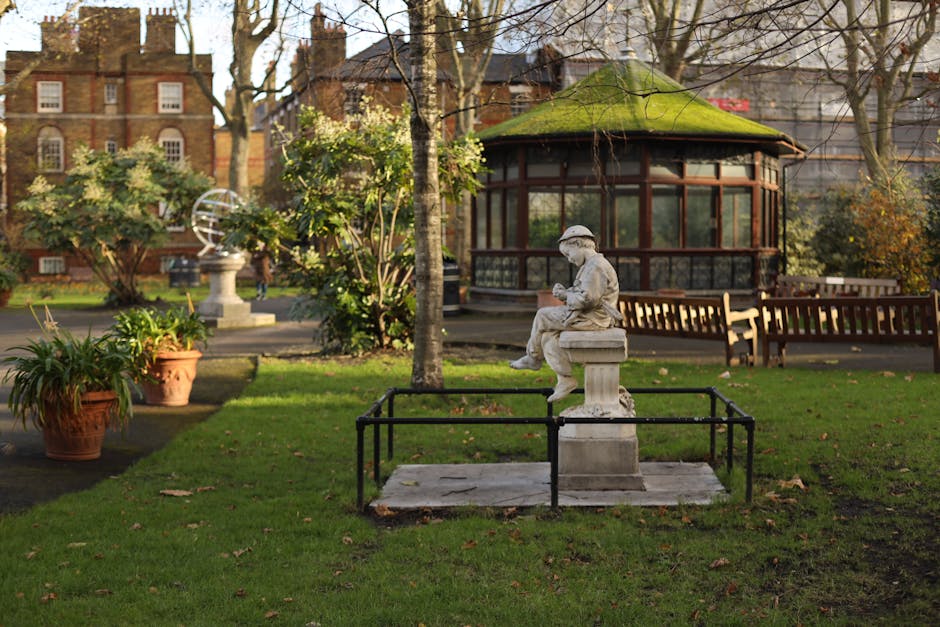
And honestly, a calm, well-kept garden on a bright London morning can lift the whole day.
Frequently Asked Questions
What do Lewisham council garden rules mean for New Cross homeowners?
They mainly mean keeping your garden in a condition that does not create nuisance, safety problems, or obstruction. That usually includes managing overgrowth, waste, and access points responsibly.
Do I need to trim hedges if they hang over the pavement?
Yes, if a hedge is spilling into a public path or affecting safe passage, it should be cut back. Even if it seems minor, it can become a real problem for pedestrians and neighbours.
Can the council complain about a messy garden?
Yes, if the garden is untidy enough to be seen as a nuisance, safety issue, or environmental concern. A one-off bit of clutter is different from a long-term problem, of course.
What is the difference between garden maintenance and garden clearance?
Maintenance is regular upkeep such as mowing, trimming, and weeding. Clearance is bigger work, usually involving removal of built-up waste, overgrowth, or neglected debris.
How often should I maintain my garden to stay compliant?
There is no one-size-fits-all rule, but regular attention is better than occasional rescue work. Many gardens benefit from weekly or fortnightly checks during the growing season.
Are front gardens more important than back gardens?
Front gardens matter more in terms of public visibility, but back gardens can still cause issues if waste, pests, or unsafe structures affect neighbours or shared areas.
What should I do if my garden has become badly overgrown?
Start with waste removal and access routes first, then tackle the biggest overgrowth in stages. If the area is extensive, a professional clearance service may be the most practical option.
Can tree branches cause problems with council rules?
They can, especially if they are unstable, overhanging, or creating a hazard. Larger trees may need more care than a simple cutback, so it is wise to assess them properly.
Do I need permission for decking or landscaping changes?
Sometimes larger changes can involve planning or property-specific considerations, depending on the scope and location. It is sensible to check carefully before starting any major project.
How can I keep my garden tidy without spending too much?
Stick to small, routine tasks and avoid letting problems build up. Regular mowing, hedge trimming, and prompt waste removal usually cost less than a full reset later on.
What if my neighbour's garden is causing the problem?
Try a calm conversation first if that feels safe and reasonable. If the issue affects shared boundaries or public areas, it may also be worth keeping a clear record of what is happening.
Where should I start if I want help with a bigger garden job?
Begin by deciding whether the job is maintenance, clearance, or a layout improvement. Then look at the relevant support, such as garden maintenance, garden clearance, or landscape gardening, depending on what the space actually needs.